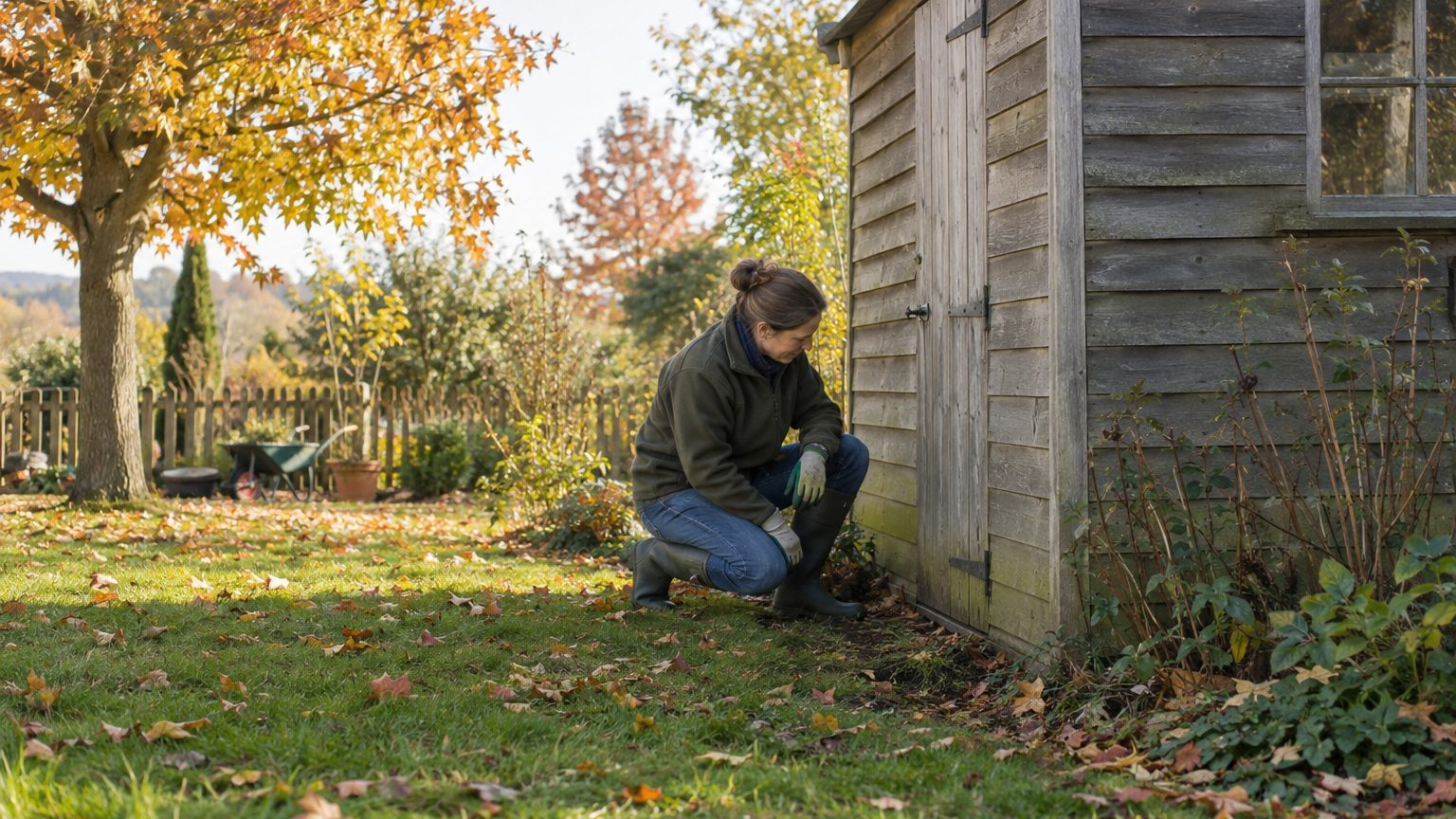
Raccoon scat is tubular, blunt at both ends, 2 to 3 inches long and about half an inch across. If that matches what you found behind the shed, you probably have a regular visitor. Animal poop identification comes down to five clues: size, shape, color, contents and location. Location and contents usually crack the case faster than shape does.
- Raccoon scat is tubular, blunt at both ends and 2 to 3 inches long.
- Rabbit pellets are round and about 1/4 to 3/8 inch across.
- Raccoon latrines can carry Baylisascaris roundworm eggs that are dangerous to people.
Read the clues before you name a suspect
Contents come first.
Scat packed with hair and bits of bone points to a carnivore such as a fox or bobcat, while pure plant fiber points to a herbivore like a deer, rabbit or woodchuck. Seeds and berries suggest an omnivore, which in a suburban yard usually means raccoon, opossum or skunk. Break a dropping open with a stick, never with bare hands. A flashlight and a few seconds of poking will tell you more than a photo comparison ever could.
Pellets point to herbivores, and tubular droppings suggest carnivores or omnivores. Size then sorts the pellet makers: rabbit pellets run about 1/4 inch and deer pellets about 1/2 inch.
Where you find the pile matters as much. Droppings along the edge of a lawn or garden bed, near plantings or vegetable rows, almost always mean deer or rabbit. A white cap on the dropping is a different tell. It points to a bird or reptile, because mammals pass urine and feces separately.
The usual suspects around a shed
Rabbits are the easiest to rule in. Their pellets are rounder and smaller than deer pellets, about 1/4 to 3/8 of an inch across and nearly spherical. Deer leave something similar, but usually longer, somewhat pointed at one end and more scattered.
Raccoons leave the dark, tubular, seed-flecked logs described above. The habit that gives them away is repetition: they tend to defecate in the same area, called a latrine. A woodpile, a tree stump, the flat top of a low shed roof. All fair game.
Opossums muddy the picture. Their scat is similar in size, 1.5 to 2 inches, but often more twisted or curled and lighter in color, from tan to dark brown. The curve happens because the opossum bends while excreting. Groundhogs, for their part, leave oval, dark brown or black droppings, often in segments, usually near the burrow. If there’s a hole under the shed floor and a pile nearby, you’ve likely found your tenant.
Coyote and fox droppings look different again. They are hairy and ropey, and unlike a raccoon’s, they taper rather than ending bluntly.
No identification is bulletproof. Raccoon and opossum scat can look alike, and fresh deer pellets and old rabbit pellets both read as a dark oval pellet in low light. Treat any call as a strong hypothesis, then look for a second clue such as tracks, a burrow or chewed plants.
Why a raccoon latrine changes the rules
Most droppings are a nuisance. Raccoon droppings can be a health problem. Raccoons are the primary host of Baylisascaris procyonis, a roundworm, and people become infected by ingesting its eggs. Latrines are often located near where people live, including backyards, tree stumps, sandboxes and attics.
Infections in people are rare, but they can be severe.
Rare may not mean as rare as we assume. In a study with the CDC, researchers screened blood samples from 150 healthy Santa Barbara residents. Seven percent tested positive for raccoon roundworm antibodies. Antibodies show exposure, not illness, but the finding suggests yard contact is more common than anyone tracked. Young children are at highest risk, since they are more likely to put contaminated fingers, soil or objects in their mouths.
So cleanup deserves some care. Wear disposable gloves and rubber boots you can scrub afterward, and add an N95 respirator if the site is enclosed. Mist the area with water first so you don’t stir up dust. Then remove the feces and contaminated material and burn it, bury it, or send it to a landfill. Skip the bleach. Most chemicals don’t kill roundworm eggs. Decks and patios can be treated with boiling water or a propane flame-gun, with proper precautions.
Timing helps you here. Eggs passed in raccoon feces are not immediately infectious, and in the environment they take 2 to 4 weeks to become so. A weekly walk around the shed, checking the spots raccoons favor, lets you clear a latrine inside that window.
Making the shed less inviting
Identification is only half the job, because droppings keep showing up until the animal has a reason to leave. Remove fish ponds and other water sources, and clear brush so raccoons are less likely to den or build a latrine on your property. Bring pet food inside overnight and latch trash cans. Check the gap under the shed floor, since that is where groundhogs and opossums set up house.
Document what you find. Photograph the droppings next to a coin for scale, note the date, and record whether the pile is growing. Your county’s cooperative extension office or state wildlife agency can use those details to help identify the animal.
One last number belongs on the fridge. If you handled raccoon feces bare-handed, treatment is most effective within the first 3 days after exposure, so call a doctor rather than waiting to see how you feel.
Sources : discoverwildlife.com | trail.cam